Blinds vs. Shades: Which One Is Right For Your Home
Choosing new window treatments can feel like a minor detail, until you’re staring at a wall of samples trying to figure out the difference between a “slat” and a “cell.” While the terms blinds and shades are often used interchangeably, they are actually two distinct types of window coverings with different looks, functions, and benefits. Whether you’re looking for ultimate privacy, light control, or a boost in energy efficiency, understanding these differences is key to making the right investment.
What are Window Blinds?
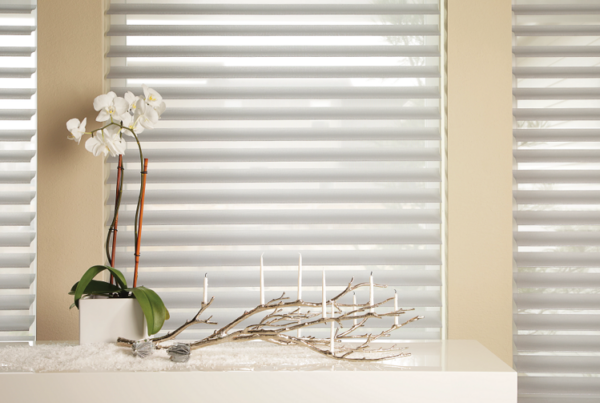
Window blinds are “hard” window treatments. They are characterized by individual horizontal or vertical slats that can be tilted, opened, or closed.
- Materials: Typically made from wood, faux wood, metal (aluminum), or vinyl.
- The Mechanism: Blinds feature a cord or wand that allows you to tilt the slats. This gives you precise control over the direction and amount of light entering the room.
- Best For: Rooms where you want to maintain a view while still blocking direct sunlight (like a home office or living room).
What are Window Shades?
Window shades are “soft” window treatments. They consist of a continuous panel of fabric or material that rolls, folds, or stacks up and down.
- Materials: Fabric, woven wood (like bamboo), or cellular paper.
- The Mechanism: Shades are typically solid. You raise them to let light in or lower them to block it out, but you cannot “tilt” them.
- Best For: Bedrooms where you want total “blackout” conditions or windows where you want to add a pop of pattern and texture.
Understanding the Key Differences
When comparing the construction of these two options, the most significant difference lies in their physical “hardness.” Window blinds are considered hard treatments because they are built from individual slats (usually wood, metal, or vinyl) that are held together by a corded “ladder.” In contrast, window shades are soft treatments consisting of a single, continuous panel of material, such as fabric, bamboo, or cellular paper, that lacks gaps or slats.
In terms of light control and privacy, blinds offer a high degree of versatility. Because the slats can be tilted at precise angles, you can redirect sunlight toward the ceiling to reduce glare while still enjoying a view of the outdoors. Shades, however, operate on an “all-or-nothing” basis; they must be raised or lowered to adjust the light. While they don’t offer the same directional tilting, shades excel at providing total privacy and superior light-blocking capabilities, especially when made with blackout fabrics.
Finally, maintaining your window treatments requires different levels of upkeep. Blinds are generally easier to clean on the fly, as they can be quickly dusted or wiped down with a damp cloth—making them ideal for high-traffic or messy areas like kitchens. Shades require a bit more care; because they are often made of fabric, they may need to be vacuumed with a brush attachment or professionally cleaned to remove deep-seated dust and allergens.
Which Should You Choose?
Choose Blinds If:
1. You have pets or kids: Wood/faux wood blinds are incredibly durable and easy to wipe clean of fingerprints or fur.
2. You want “adjustable” light: If you want to deflect glare off your TV screen without living in a dark cave, tilting slats is the way to go.
3. You’re on a budget: Standard aluminum or vinyl blinds are often the most cost-effective solution for a whole house.
Choose Shades If:
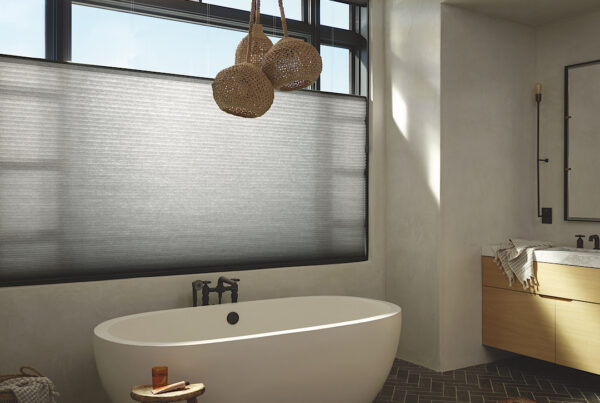
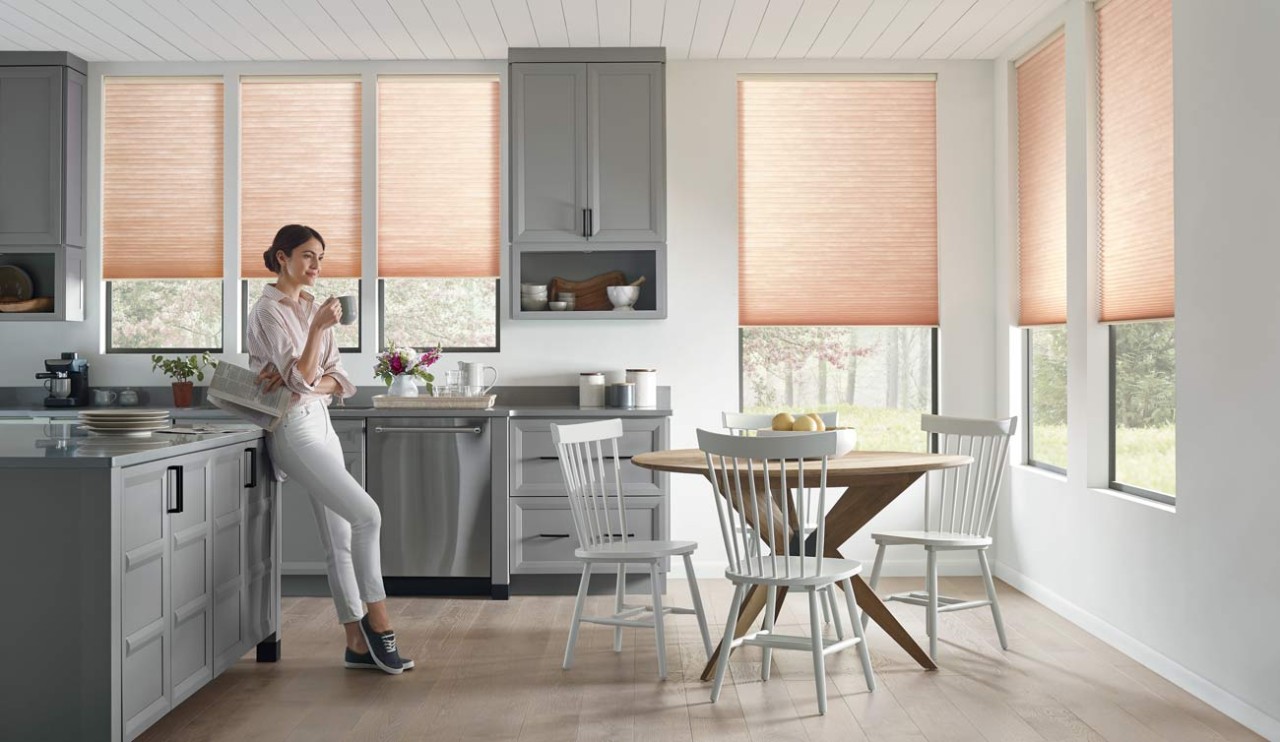
1. Energy efficiency is a priority: Cellular (Honeycomb) shades are the champions of insulation, trapping air to keep your home cool in summer and warm in winter.
Click Here to Learn More about Duette Cellular Shades
Click Here to Learn More about Applause Cellular Shades
2. You want a “Soft” look: Shades offer endless colors and patterns, making them feel more like an extension of your home’s decor.
Click Here to Learn More About Vignette Roman Shades
3. You need a Blackout option: Because shades are one solid piece, they eliminate the “light leakage” that often happens between blind slats.
There is no “wrong” answer when choosing between blinds and shades, it all comes down to the specific needs of your room. Many modern homeowners even choose to layer them, using a functional blind for light control and a beautiful fabric shade or drape over the top for style.