
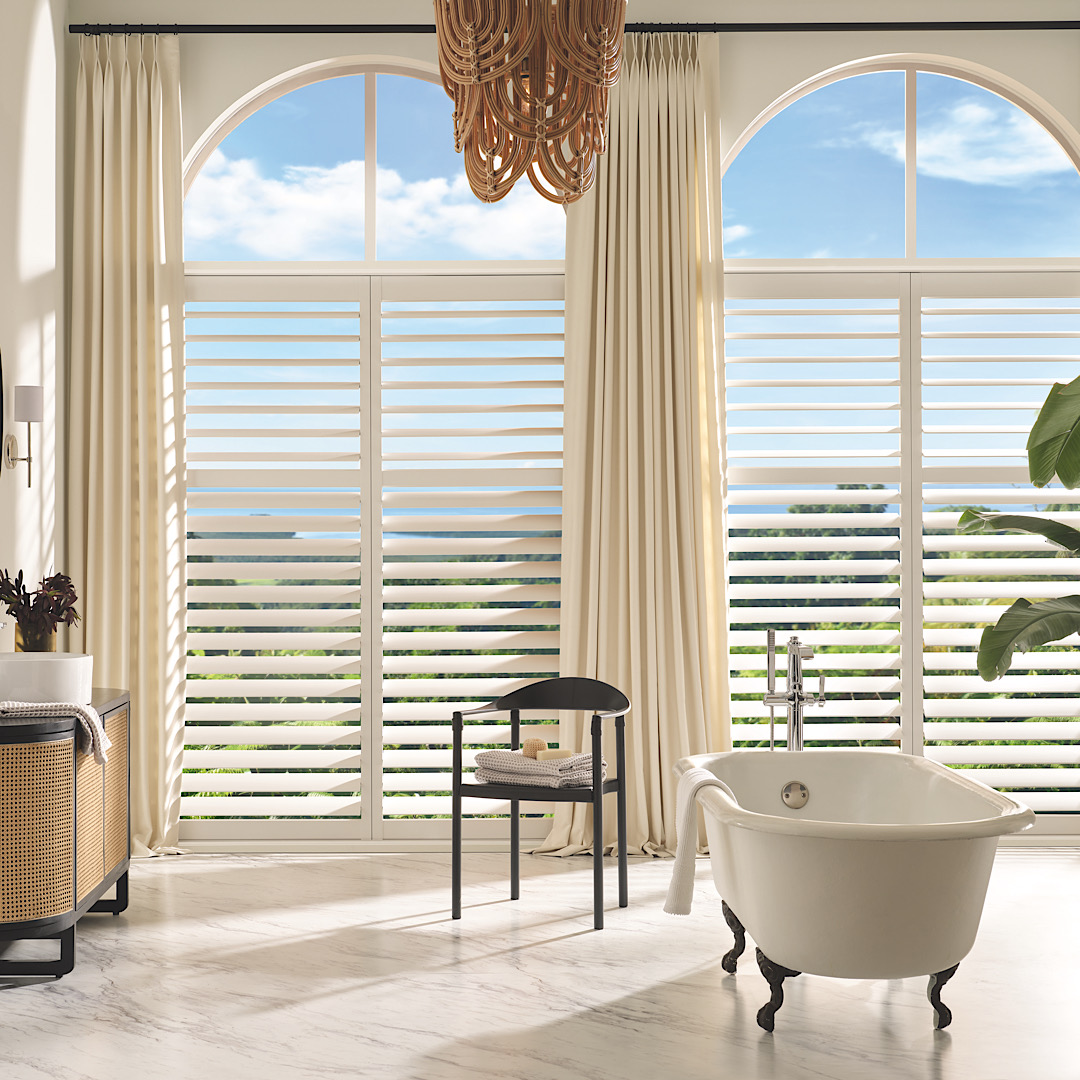
Understanding the ROI of Hunter Douglas Custom Window Treatments
When homeowners think about “investing” in their property, they usually think about knocking down walls or replacing countertops. But savvy investors know that value is often found in the details that bridge the gap between a “house” and an “estate.” High-end window treatments—specifically names like Hunter Douglas—occupy a unique space in real estate. They aren’t just decoration; they are considered fixtures that have the potential to raise your homes value.
Introduction to Hunter Douglas Window Treatments
For over 100 years, Hunter Douglas has been the gold standard in window fashions. Unlike “off-the-shelf” blinds found at big-box retailers, these treatments are custom-built to the precise specifications of your windows. This ensures a flawless fit that eliminates light gaps and prevents the sagging often seen in cheaper alternatives.
The brand is synonymous with innovation, having pioneered industry staples like the Duette® Honeycomb Shade. Beyond their physical construction, Hunter Douglas products are known for their proprietary technology, such as the PowerView® Automation system. This smart-home integration allows you to control your lighting and privacy via remote or mobile apps, future-proofing your home in an increasingly digital real estate market.
When you invest in Hunter Douglas, you aren’t just paying for a brand name; you are paying for durability that lasts 15–20 years, a limited lifetime warranty, and a level of engineering that treats light as a design element. Because products like NewStyle® Hybrid Shutters are custom-measured and permanently installed, they are classified as fixtures, moving the needle on your home’s actual value.
The Aesthetic Value of Custom Window Treatments
Curb appeal isn’t just about the lawn. When a potential buyer pulls up to the curb, they notice the windows first. Custom treatments provide a uniform, clean, and consistent aesthetic from the street. In contrast, mismatched “big box” blinds or sagging slats can create a “distressed” look that devalues the exterior.
Inside, the “Glow Factor” becomes the primary selling point. High-end treatments like Pirouette® or Silhouette® shadings diffuse harsh sunlight, making your interior photos look professional and your open house lighting feel warm and inviting. This aesthetic polish protects your other investments, too; by filtering up to 99% of UV rays, these treatments prevent hardwood floors and expensive upholstery from fading, preserving the “new” look of your home for years.
Energy Efficiency and Cost Savings
Energy costs are a major data point in modern home listings. For an investment-focused buyer, Hunter Douglas doesn’t just provide exquisite decor & privacy —it’s a long-term reduction in overhead. Windows are the primary source of energy loss, with roughly 30% of a home’s heating energy escaping through glass in the winter.
The Duette® Honeycomb Shade features a unique cellular construction that traps air in distinct pockets, creating a powerful thermal barrier.
- Winter: Reduces heat loss by up to 40%.
- Summer: Reduces solar heat gain by up to 80%.
Being able to market a home as “outfitted with industry-leading energy-efficient technology” provides a competitive edge that standard vinyl blinds simply cannot match. It transforms a monthly bill into a selling point.
Resale Value and Market Appeal
In the eyes of a home appraiser, there is a massive distinction between personal property and fixtures. While off-the-shelf blinds are seen as temporary decor, high-quality permanent window treatments can see a return of 75% to 80% of their cost during an appraisal. In some markets, premium shutters are even appraised as a capital improvement, similar to new flooring.
Today’s buyers—especially Millennials and Gen Z—are willing to pay a premium for “turnkey” properties. They often exhaust their cash reserves on the down payment and don’t want to spend another $15,000 outfitting 20 windows the week they move in. When a buyer sees PowerView® Automation, they see a smart home upgrade. It signals that the previous owner didn’t cut corners, which builds trust in the overall maintenance of the home.
The Verdict: Homes with custom treatments tend to sell faster and closer to the asking price because they look “finished.” If you’re looking to maximize your home’s equity, don’t just look at the floor—look at the windows!
Ready to boost your home’s equity before you list?
Don’t leave money on the table. Schedule a FREE in-home consultation today to see which Hunter Douglas treatments will yield the highest return for your specific floor plan.

3 Comments