Window treatments are a significant investment in any home, providing both aesthetic appeal and essential light control. However, even the highest-quality custom blinds are subject to mechanical wear and tear over time. One of the most common issues homeowners face is a frayed or snapped lift cord. When a cord fails, it often renders the entire window treatment useless, leaving you with a crooked view or a room that won’t stay dark. Understanding the technical reasons behind cord failure is the first step in extending the lifespan of your investment.
The Physics of Friction: How Blinds Wear Down
At its core, a window blind is a simple machine involving pulleys, cords, and weight distribution. Every time you pull the cord to raise or lower your blinds, that cord travels through a series of internal components. Over years of daily use, this creates friction. If the cord is not pulled at a perfectly vertical angle, it rubs against the metal or plastic housing of the “cord lock” mechanism.
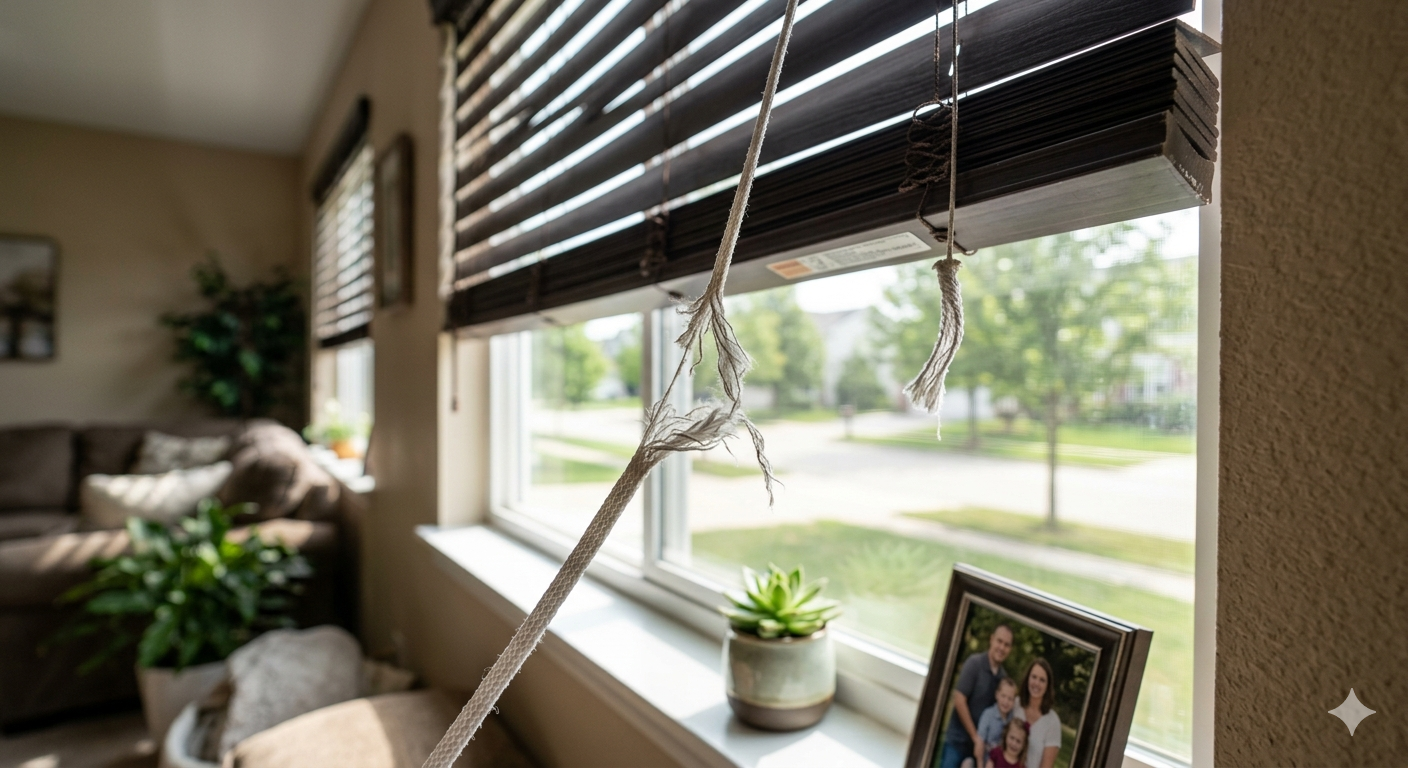
This repetitive rubbing acts like sandpaper. Slowly, the outer sheath of the braided polyester cord begins to pill and thin. Once the outer protective layer is compromised, the inner core—which carries the actual weight of the slats—is exposed to the elements. Without that protective barrier, it’s only a matter of time before a single pull leads to a clean snap.
Environmental Factors: The Role of UV Damage
We often think of window treatments as the shield that protects our furniture and flooring from sun damage, but the blinds themselves are also on the front lines. Constant exposure to intense UV rays can degrade the chemical bonds in synthetic cords.
Over a decade of service, a cord that was once flexible and strong can become “sun-bleached” and brittle. Brittle cords lose their elasticity and are much more prone to snapping under the sudden tension of being pulled. This is particularly common in south-facing windows or in rooms with high moisture levels, like bathrooms and kitchens, where humidity can further weaken the structural integrity of the braided fibers.
Identifying the Early Warning Signs of Cord Failure
You don’t have to wait for your blinds to crash down to know there is a problem. Being proactive can save you from an emergency repair. If you notice “fuzz” or small loops of thread appearing on your lift cords, that is a clear sign of fraying.
Another red flag is a “catchy” or “sticky” feeling when you operate the blinds. If the lift isn’t smooth, it usually means the cord has jumped off an internal pulley or is starting to bunch up inside the headrail. If you have to pull harder than usual to get the blinds to move, stop immediately. Applying extra force to a stuck cord is the fastest way to cause a permanent break or damage the internal tilting mechanism.
Pro Tips for Preventing Broken Blind Cords
The way you operate your window treatments directly impacts how long the cords will last. Most people stand to the side and pull the cord at an angle. This is the primary cause of premature wear. For the longest lifespan, always stand directly in front of the window and pull the cord straight down, parallel to the window frame. This ensures the cord glides over the internal rollers rather than sawing against the edge of the cord lock.
Additionally, always tilt your slats to the “open” (horizontal) position before raising or lowering the blinds. When slats are closed, they create more resistance and weight distribution becomes uneven. By opening the slats first, you reduce the mechanical load on the lift cords and the internal ladder tapes, allowing the entire unit to move with minimal effort.
The Technical Precision of Professional Restringing
When a cord finally gives way, many homeowners are tempted to try a DIY fix with string from a hardware store. However, professional restringing is a precise science. Custom blinds require specific cord gauges—usually measured in millimeters—to ensure they fit through the tiny internal routes of the slats and the headrail.
Using a cord that is even a fraction too thick can cause the blind to jam, while a cord that is too thin won’t engage the cord lock properly, causing the blind to “creep” downward throughout the day. A certified master installer uses industrial-grade braided cord designed specifically for the weight of your specific window treatment, whether it’s heavy wood, light honeycomb, or modern roller shades.
Beyond just the cord itself, a professional repair involves cleaning the internal pulleys and checking the tension of the springs. This comprehensive approach ensures that once the blind is reinstalled, it operates with the same “factory-fresh” smoothness it had on day one.
Safety First: Considering the Cordless Upgrade
While restringing can breathe new life into a beloved set of custom blinds, it is also a great time to evaluate the safety of your home. Traditional looped cords can pose a significant risk to small children and pets. In recent years, the industry has moved toward “Best for Kids” certified cordless systems and motorization.
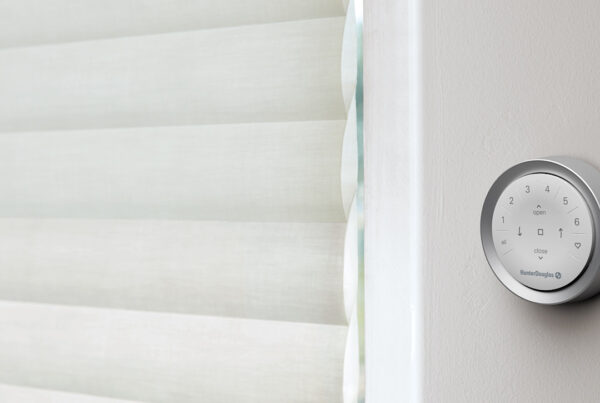
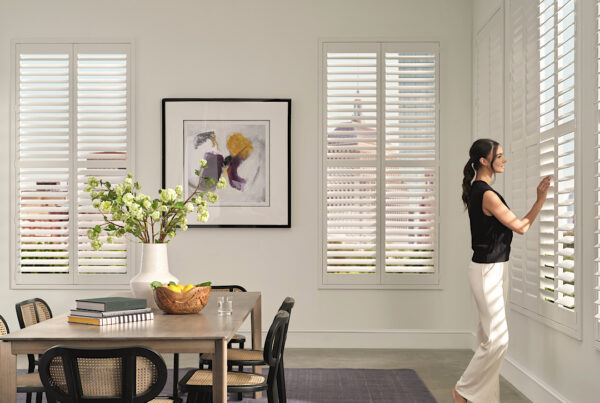
If your blinds are older, you might consider if a repair is the best path or if upgrading to a cordless lift system is a better long-term solution. Modern technology, such as Hunter Douglas PowerView, eliminates cords entirely, using battery-operated motors to raise and lower the blinds with the touch of a button or a mobile app. This not only removes the friction issues associated with manual cords but also provides a sleek, minimalist look for your windows.
Conclusion: Protecting Your Home Investment
Your window treatments are a functional part of your home’s architecture. By understanding the causes of cord wear—from friction and UV damage to improper operation—you can take simple steps to keep them in top shape for years. When maintenance isn’t enough and a cord eventually snaps, remember that custom-made blinds are high-performance machines that deserve high-performance care. Investing in a professional restring from Ogden Blinds ensures your windows continue to look and function beautifully without the frustration of a DIY “quick fix” that doesn’t last.
Stop Struggling with Sticky Blinds!
Don’t risk a DIY disaster that could damage your high-end window treatments. Whether you need a precision restring or want to explore a move to child-safe cordless automation, our master installers are here to help. We bring 30+ years of experience directly to your door in Oswego, Naperville, and the Chicago Suburbs. Call today for the quickest blind repair in the area!