Choosing the right window shades is about more than just picking a color that matches your walls. When you dive into the world of solar and roller shades, you encounter a technical specification that defines exactly how that shade will perform in your daily life: the openness factor. This percentage is the secret sauce to achieving that perfect “Quiet Luxury” aesthetic while maintaining a functional home environment. Understanding how openness factors work is essential for any homeowner looking to invest in custom window treatments that truly enhance their living space.
What Exactly is an Openness Factor?
At its simplest, the openness factor refers to the weave density of the fabric. It is measured as a percentage, representing the amount of open space versus the amount of fabric material. For instance, a fabric with a 5% openness factor means that 5% of the surface area is comprised of tiny holes, while 95% is solid material.
This percentage directly dictates how much light passes through the shade and, perhaps more importantly, how much of the outside world you can see when the shades are down. It is the primary lever you pull to balance the competing needs of UV protection, glare reduction, and outward visibility.
The Science of the View: How Openness Affects Your Vision
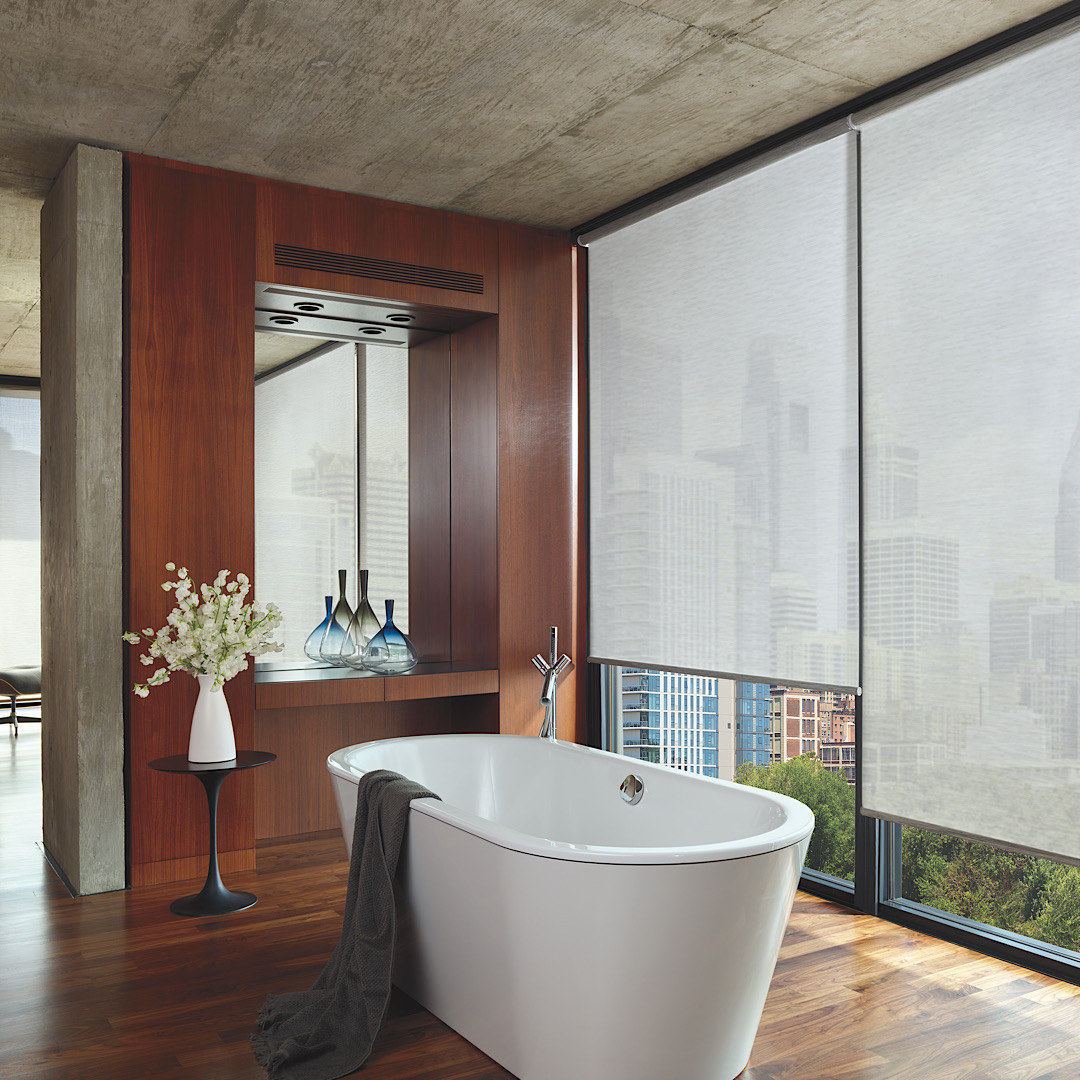
The human eye is a remarkable tool, and it plays a major role in how we perceive window shades. When you look through a shade with a specific openness factor, your brain tends to focus on the brighter objects outside rather than the dark threads of the fabric. This is why a darker fabric with a 3% openness factor often provides a much clearer view of the outdoors than a white fabric with the same percentage.
The color of the yarn matters just as much as the weave. Darker yarns absorb light and reduce glare, making the fabric “disappear” more effectively when you are looking through it. Lighter fabrics reflect more light, which can create a hazy effect that obscures the view but brightens the room significantly. When selecting your openness factor, you must consider the direction your windows face and the specific landscape you are trying to preserve.
Breaking Down the Percentages: Which One is Right for You?
Selecting the right percentage depends entirely on the “job” you want the shade to do in a specific room. There is no one-size-fits-all solution, and many homeowners choose different factors for different sides of their house.
1% Openness: Maximum Protection and Privacy
A 1% factor is the tightest weave available before moving into total blackout territory. This is the ideal choice for rooms that face intense, direct sunlight or for homeowners who prioritize privacy above all else. At 1%, you get superior UV protection, blocking 99% of harmful rays that can fade your hardwood floors, artwork, and furniture. While you can still see silhouettes and some light through a 1% shade, the view of the outdoors is significantly muted. This is a popular choice for bedrooms or street-facing windows where privacy is a top concern.
3% Openness: The Goldilocks Zone
Often considered the industry standard for a reason, 3% offers a sophisticated balance. It provides excellent glare reduction for home offices and media rooms while still allowing you to maintain a connection with the outdoors. You can see the shapes of trees and the horizon clearly, but the fabric is dense enough to keep the heat gain at bay. It offers a level of “daytime privacy” that makes it a staple for living rooms and kitchens in the Fox River Valley.
5% Openness: The View Specialist
If you have a beautiful backyard or a view you spent years searching for, 5% is likely your best bet. This weave is open enough to provide a crisp view of the exterior while still cutting down on the harshness of the sun. It softens the light beautifully, creating a warm glow in the room without making it feel closed off. However, because it allows more light in, it is less effective at preventing screen glare on televisions or monitors than the tighter weaves.
10% to 14% Openness: Airy and Translucent
These higher percentages are designed for areas where light and airiness are the primary goals. In a sunroom or a north-facing kitchen where direct, punishing sunlight isn’t an issue, a 10% or 14% openness factor creates a very sheer, veil-like effect. You will have a very clear view of the outdoors, almost as if there is a light tint on the glass. These are rarely used for privacy or heat control but are unmatched for creating an open, breezy atmosphere.
Managing Heat and UV Rays
One of the most practical reasons to install custom solar shades is to manage the internal temperature of your home. Large windows are beautiful, but they can act like heaters during the summer months. The openness factor determines how much solar heat gain is allowed into your space.
Tighter weaves (1% and 3%) are highly efficient at reflecting solar energy back out through the glass, which can lead to noticeable savings on your cooling bills. Furthermore, UV protection is a critical factor for long-term home maintenance. Constant exposure to the sun can ruin expensive rugs and upholstery in just a few seasons. By choosing a lower openness factor for your west-facing windows, you are essentially putting a high-SPF sunscreen on your home’s interior.
The Privacy Paradox: Daytime vs. Nighttime
It is a common misconception that solar shades provide total privacy at night. Because the openness factor relies on the “brighter side” principle, the effect flips once the sun goes down. During the day, it is brighter outside, so you can see out, but neighbors cannot see in. At night, when your interior lights are on and it is dark outside, the interior becomes the “bright side.”
This means that someone standing outside can see through the openness of the fabric into your home. If you require total nighttime privacy, especially for bedrooms or bathrooms, we often recommend a dual-shade system or pairing your solar shades with draperies. This allows you to enjoy the benefits of a 5% view during the day while having the security of a solid barrier at night.
Custom Installation Matters
The technical performance of a shade is only as good as its fit. When dealing with specific openness factors, a “light gap” at the edge of a poorly measured shade can ruin the entire effect, causing a piercing beam of light to hit your TV or your eyes while you’re working.
Professional measurement and installation ensure that the shade sits as close to the glass as possible, maximizing the efficiency of the fabric’s openness factor. Whether you are automating your home with motorized systems like Hunter Douglas PowerView or opting for a classic manual lift, the integration of the fabric into the window frame is what separates a DIY project from a professional-grade interior.
Choosing Your Style
Ultimately, the openness factor is a tool to help you live better in your home. By evaluating each room’s light exposure and your personal privacy needs, you can mix and match these percentages to create a cohesive, functional, and beautiful environment. If you are looking to transform your space with shades that offer both performance and style, selecting the right openness is the first step toward a perfectly lit home.
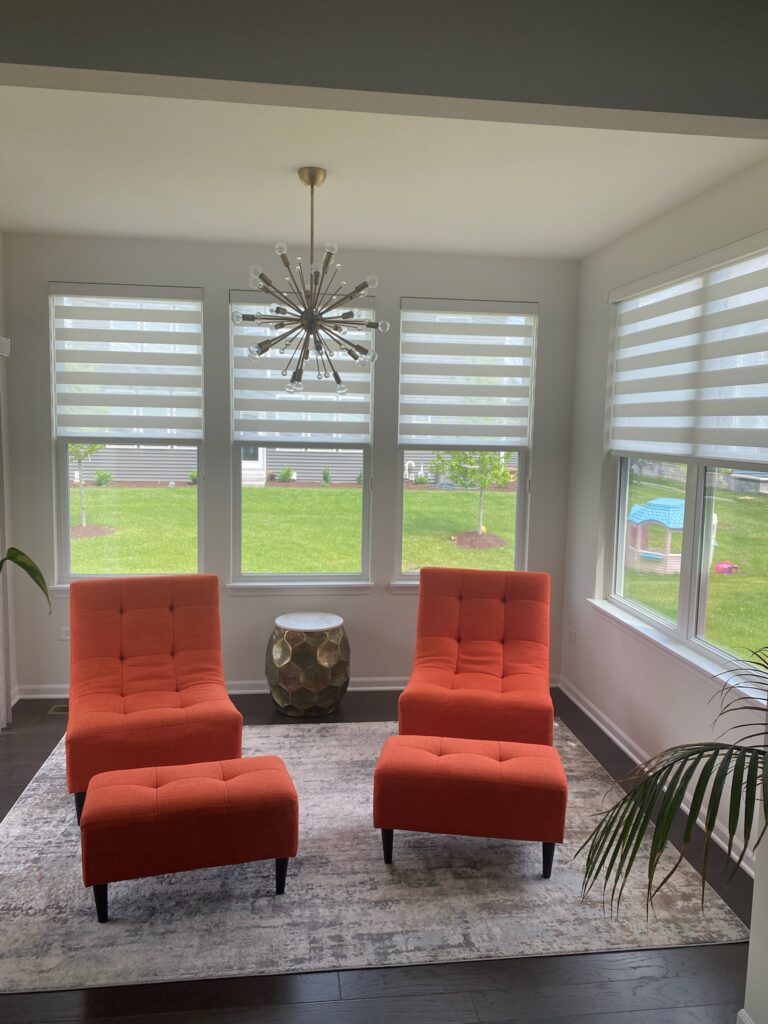 Real Ogden Blinds installation · Oswego, Illinois
Expert Help for Your Windows
Ready to find the right window treatment for your home?
Ogden Blinds helps homeowners choose custom blinds, shades and shutters, including Hunter Douglas window treatments, with in-home product guidance, professional measuring and expert installation. We also service and repair existing blinds and shades to keep your window treatments looking and working their best.
Authorized Dealer
Master Installer
Since 1995
Need help with an existing blind or shade? View our blind and shade repair services →