Investing in new window treatments is one of the most effective ways to enhance the beauty and functionality of your home. However, when homeowners begin exploring options, they are often met with a wide range of price points that can feel overwhelming. Understanding the variables that influence the cost of shutters, shades, and blinds is essential for making an informed decision that aligns with both your aesthetic goals and your budget. The price of a window covering isn’t just a reflection of the product itself; it represents a combination of engineering, durability, and the specific needs of your living space.
At the most basic level, the “off-the-shelf” options found in big-box stores differ significantly from custom-tailored solutions. While mass-produced blinds might offer a lower initial entry price, they often lack the longevity and precise fit required for the unique architecture of local homes. High-quality window treatments are designed to provide superior light control, privacy, and insulation, which contribute to long-term energy savings. When evaluating costs, it is helpful to view the purchase as a long-term home improvement project rather than a temporary fix.
Beyond the hardware, the service behind the product plays a major role in the overall value. Choosing a local professional, like Ogden Blinds, ensures that every measurement is accurate to the millimeter, preventing the costly mistake of ordering the wrong size. Furthermore, working with experts who understand the specific climate needs of the Chicago Suburbs allows you to select materials that will withstand seasonal temperature shifts without warping or fading. By considering the lifecycle of the product and the expertise involved in the selection process, homeowners can better appreciate why custom window treatments are a premier choice for modern interiors.
Material Quality and Type
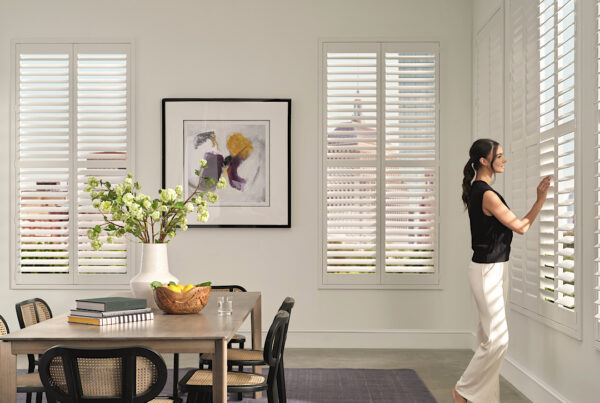
The material you select is perhaps the most significant driver of the final price tag. In the world of window treatments, there is a vast spectrum of textures, densities, and compositions. For instance, genuine hardwood shutters represent a premium investment due to the cost of high-grade timber and the intricate craftsmanship required to finish the wood. Hardwood offers unmatched natural beauty and can be stained to match existing trim, but it commands a higher price than composite or faux wood alternatives.
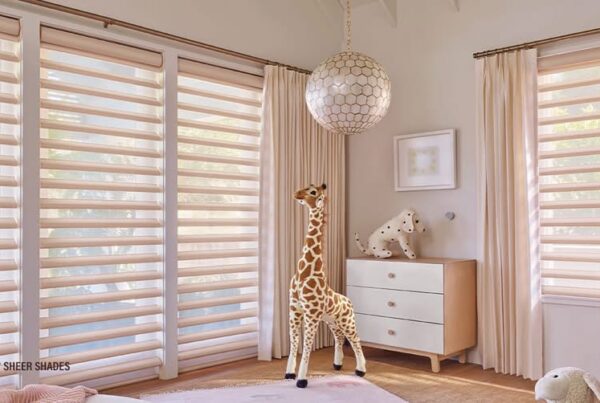
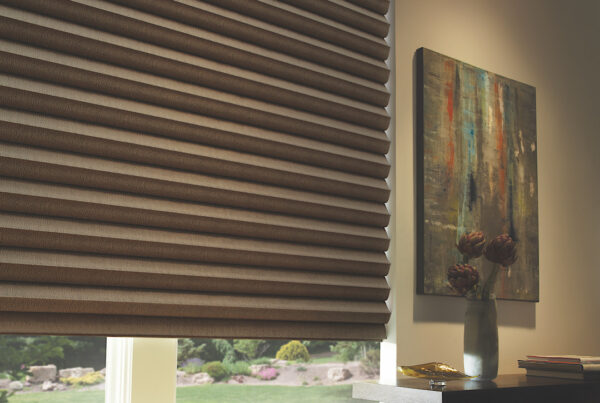
Composite materials, often made from a mix of wood fibers and synthetic polymers, provide a more budget-friendly middle ground. These are particularly popular for high-moisture areas like bathrooms or kitchens because they resist peeling and cracking. If you are looking at shades, the fabric type dictates the cost. Basic roller shade fabrics are generally more affordable, while high-performance solar screens or luxurious cellular fabrics—designed with a honeycomb structure for maximum energy efficiency—fall into a higher price bracket.
The internal components also matter. A blind isn’t just the slats you see; it’s the headrail, the cords, and the internal mechanisms that allow it to tilt and lift smoothly. Higher-end products use reinforced aluminum or heavy-duty plastics that won’t snap under daily use. Investing in superior materials upfront often means you won’t have to replace your window treatments in five years, providing a much better return on investment over the life of your home.
Size and Customization
Size is a straightforward factor—larger windows require more material and more robust hardware to support the weight—but customization adds layers of complexity to the pricing. Custom window treatments are built specifically for your windows, ensuring there are no unsightly light gaps on the sides. This is especially important for specialty shapes like arches, trapezoids, or bay windows, which require specialized manufacturing and cannot be outfitted with standard rectangular products.
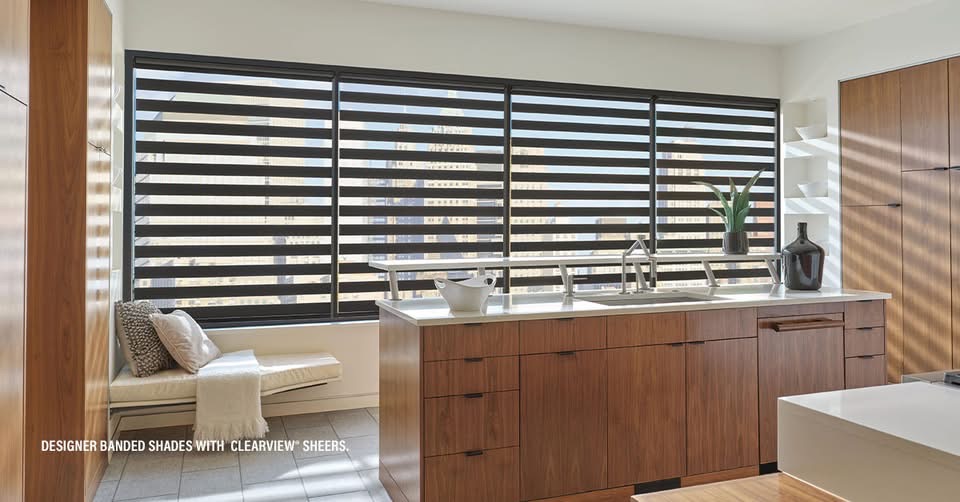
Customization also extends to the “how” of the operation. In recent years, the shift toward smart home integration has made motorization a highly sought-after feature. Systems like Hunter Douglas PowerView allow you to control your shades via a remote or an app on your phone. While adding motorization increases the cost per window, the convenience of scheduling your blinds to open with the sunrise or closing them automatically for privacy at night is a luxury that many find indispensable.
Beyond tech, you can customize the opacity and lift systems. Do you need “top-down, bottom-up” functionality for your shades? Would you prefer a cordless lift system for a cleaner look and improved child safety? Each of these choices allows you to tailor the product to your specific lifestyle, but they also influence the manufacturing time and the technical precision required to build the unit.
Installation and Maintenance Costs
Professional installation is the final piece of the pricing puzzle, and it is arguably the most critical for ensuring the longevity of your investment. A “Master Installer” brings a level of technical skill that ensures your shutters are perfectly leveled and your motorized shades are synchronized flawlessly. Improper installation can lead to premature wear on the mechanisms, stripped screws, or even damage to your window casings, which can be expensive to repair later.
While some homeowners consider DIY installation to save on costs, the risk of a measuring error or a mounting mistake often outweighs the initial savings. Professionals carry the right tools and have the experience to handle complex mounting situations, such as installing into brick, tile, or high-reach ceilings. Furthermore, many high-end window treatments come with comprehensive warranties that are only valid if the product was measured and installed by a certified professional.
Maintenance is also a factor to consider for long-term value. Higher-quality blinds and shades are often treated with anti-static finishes that repel dust, making them easier to clean with a simple vacuum attachment or microfiber cloth. Real wood shutters may require occasional polishing, while durable faux wood options can be wiped down with a damp cloth. By choosing products backed by a solid warranty and professional support, you ensure that your window treatments continue to operate smoothly for decades to come.
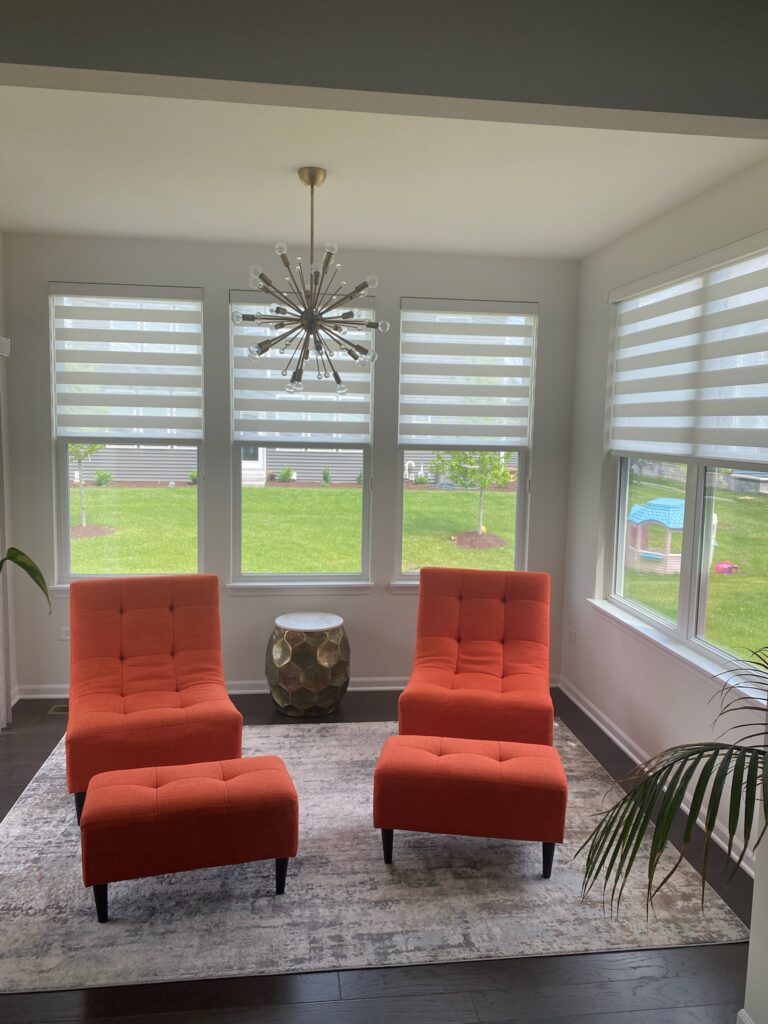 Real Ogden Blinds installation · Oswego, Illinois
Expert Help for Your Windows
Ready to find the right window treatment for your home?
Ogden Blinds helps homeowners choose custom blinds, shades and shutters, including Hunter Douglas window treatments, with in-home product guidance, professional measuring and expert installation. We also service and repair existing blinds and shades to keep your window treatments looking and working their best.
Authorized Dealer
Master Installer
Since 1995
Need help with an existing blind or shade? View our blind and shade repair services →